


Local buses stitch stations to trailheads, beaches, and pubs. Explore PlusBus zones that bolt inexpensive bus travel onto your rail ticket. Note seasonal extras like coastal open‑top routes serving cliff paths and gardens. Sunday timetables can be sparse, so check last departures and carry a backup walk. Use journey planners and live maps where coverage allows, and screenshot key pages for signal‑free reassurance. Friendly drivers often know secret stops for footpaths, so ask, smile, and discover quiet shortcuts.
Folding bikes ride most trains without reservations, while full‑size bikes may need booked spaces; always check policies before departure. Many stations sit near hire shops offering e‑bikes for hills and panniers for picnics. National cycle routes and canal towpaths melt stress, linking market towns with skylark meadows. Blend rail with short spins to trailheads, lock securely, and head on foot. The mix keeps days light, distances friendly, and views uninterrupted, giving you momentum without a car’s overhead.
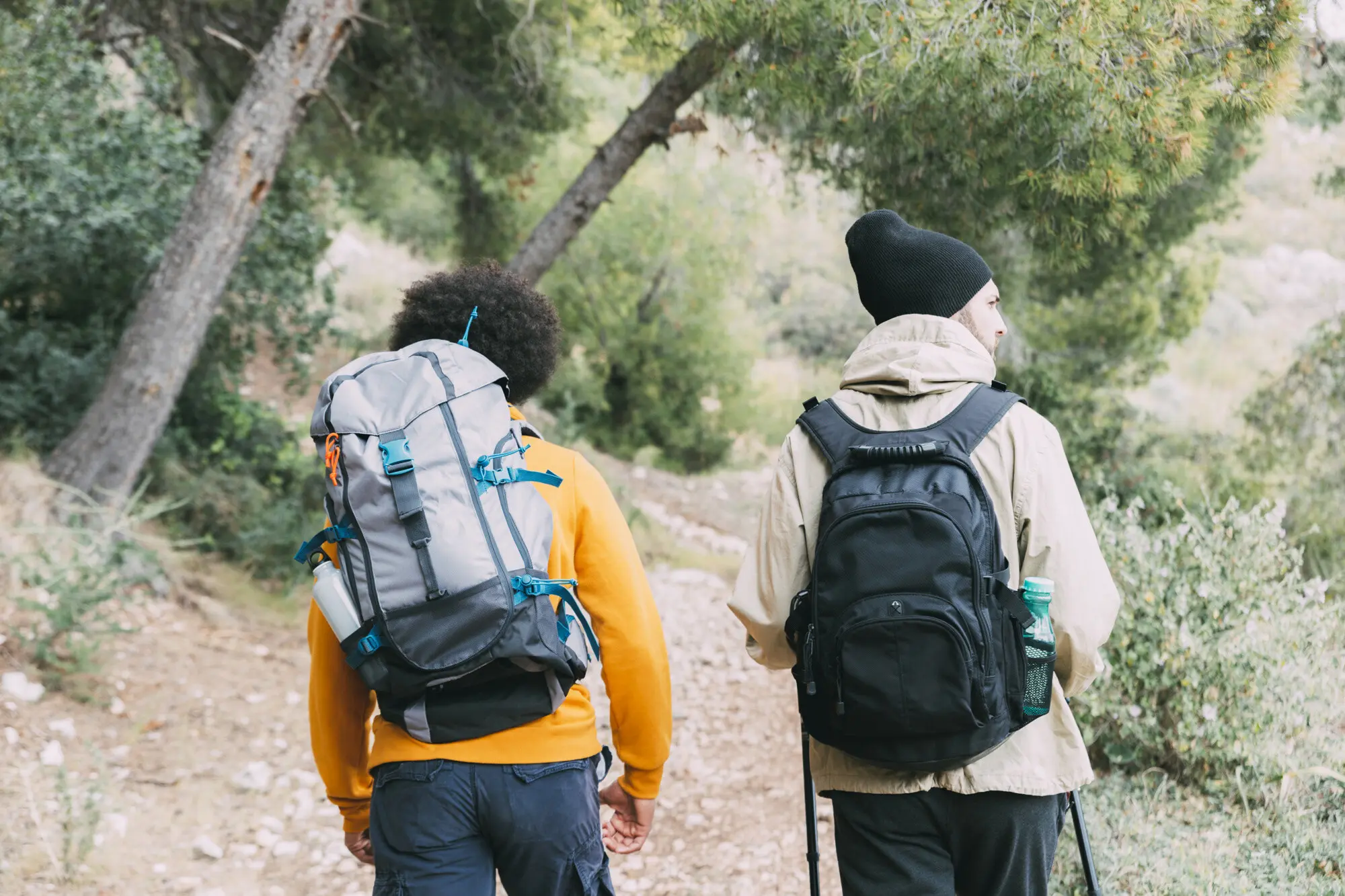
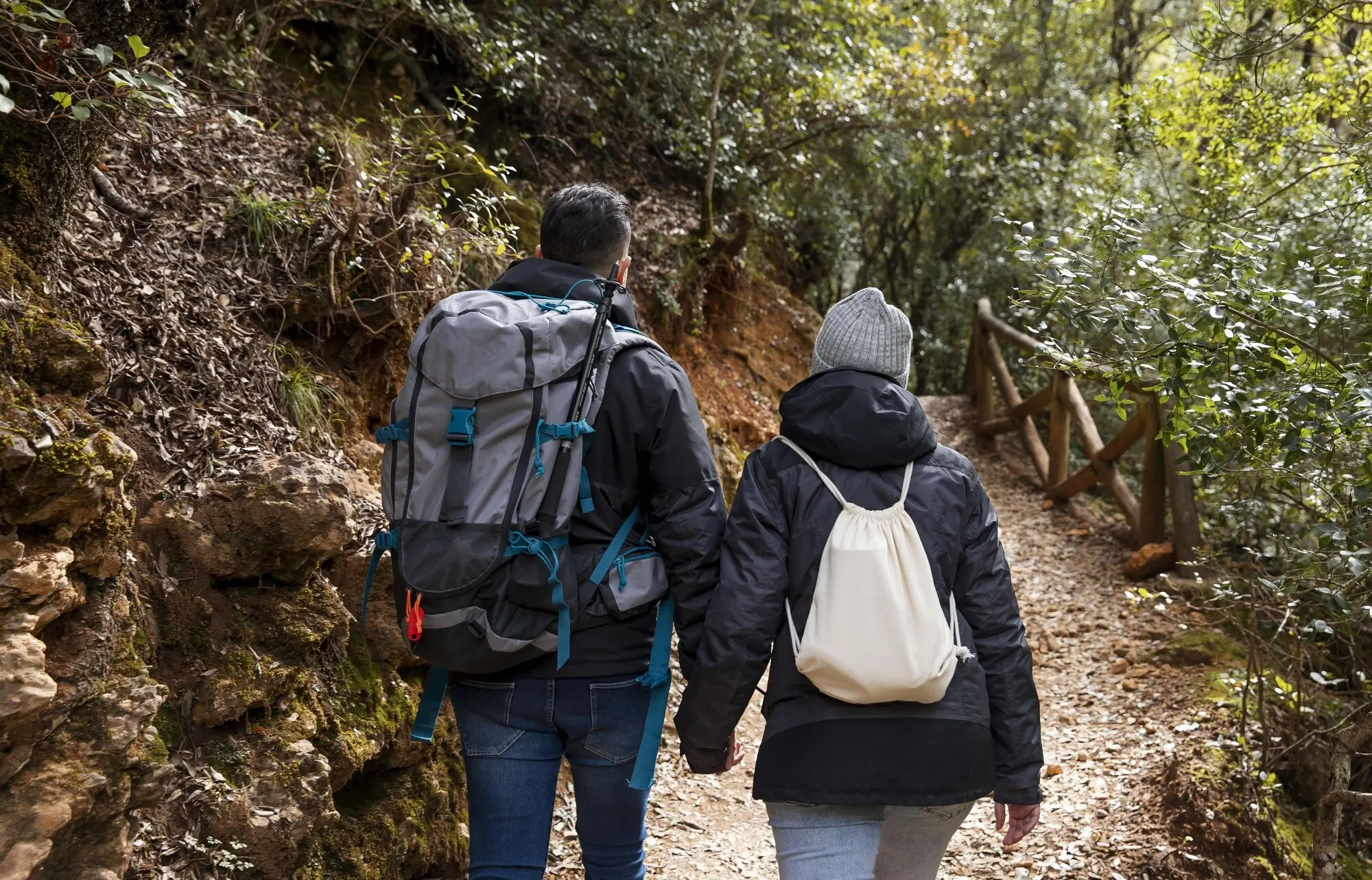
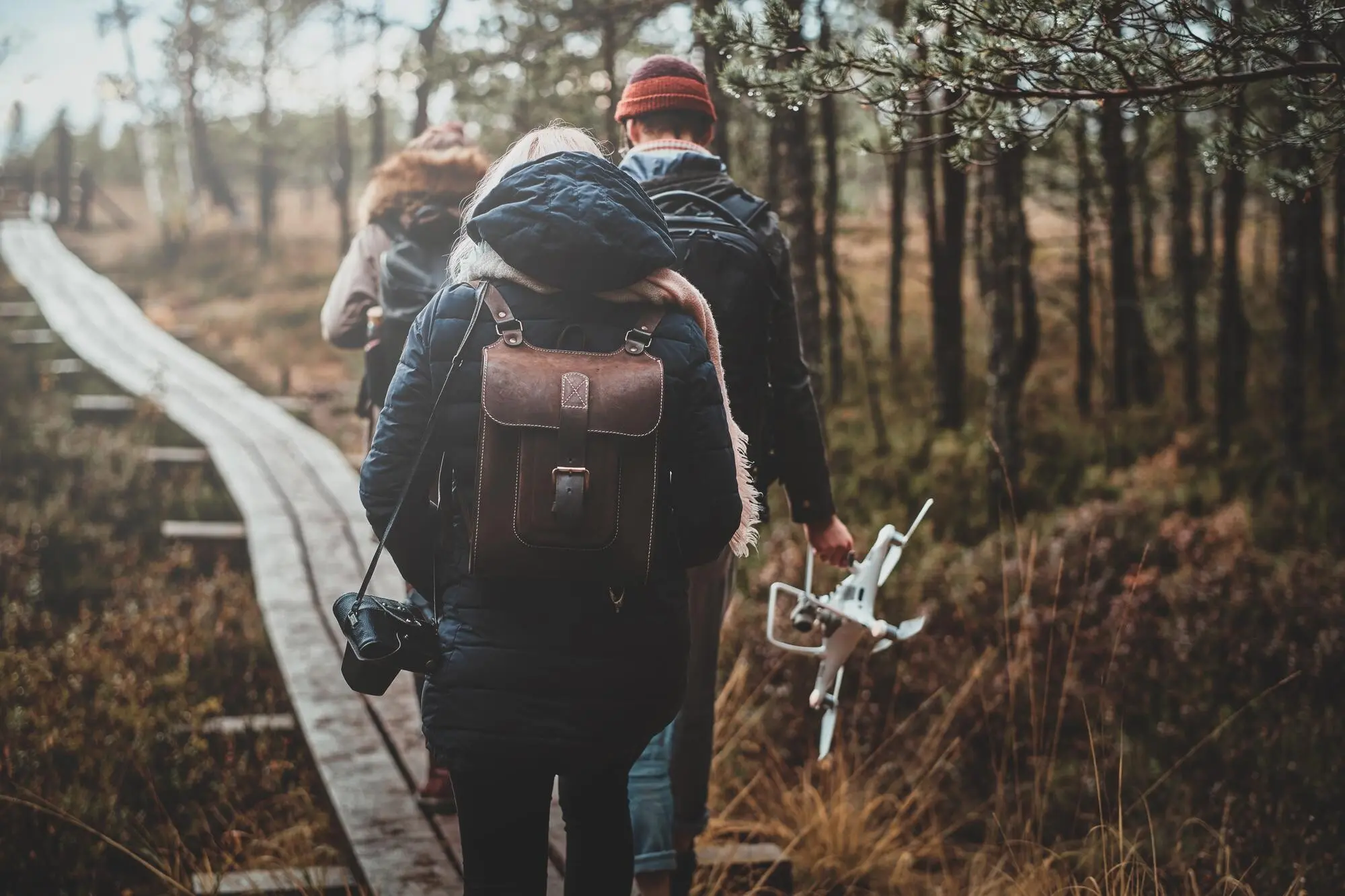
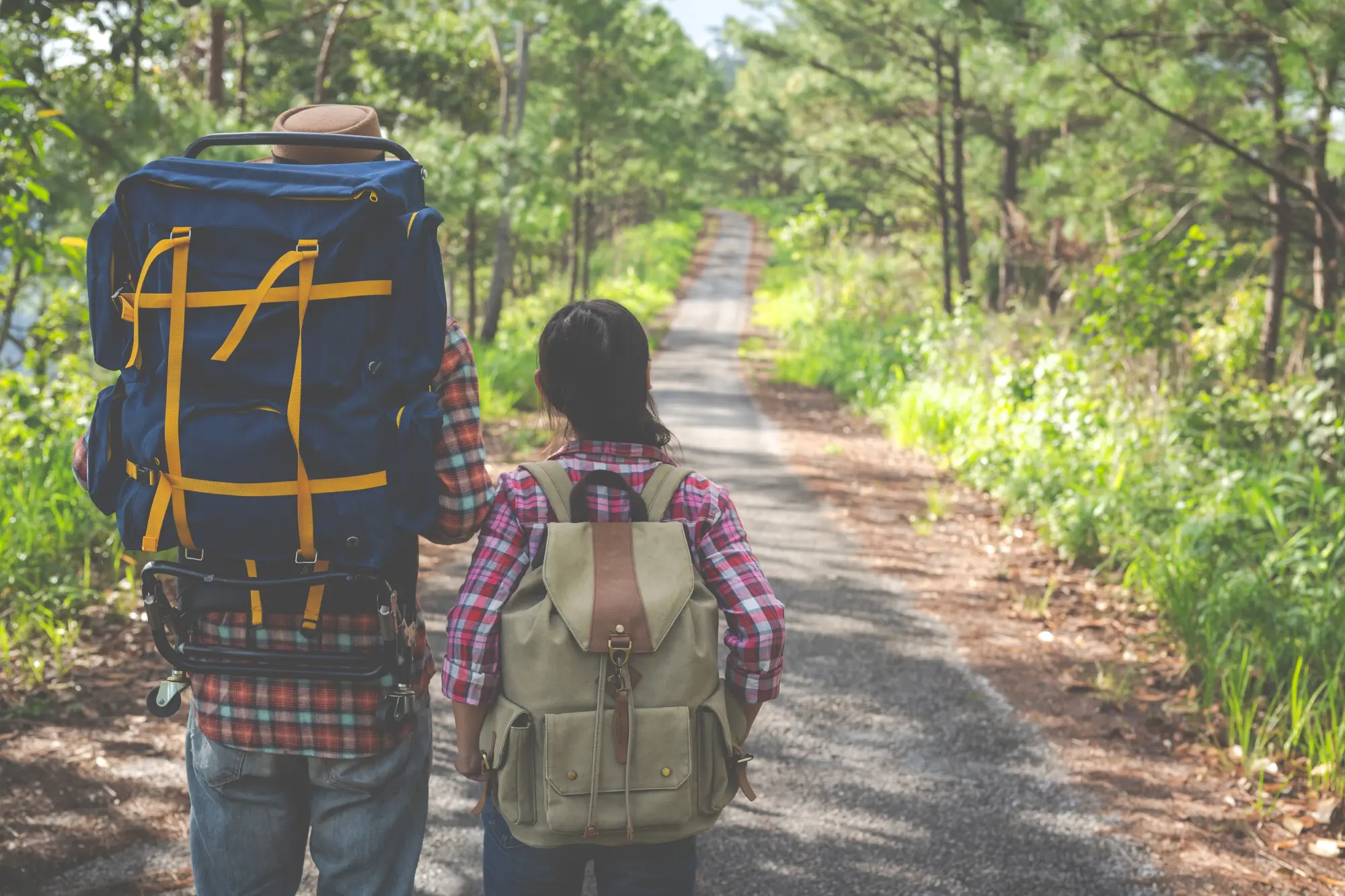
Pack a 30‑liter backpack with quick‑dry layers, compact rain shell, refillable bottle, trail snacks, and a tiny first‑aid kit. Choose shoes that shrug off showers and grip slick stone. Stash OS Maps or offline apps for valley dead zones. Book lodgings near stations for late arrivals, and favor early check‑ins or bag drops. Markets by the station solve breakfast elegantly. With weight minimized and wayfinding simplified, your legs become luxury transport, and every footpath feels like invitation, not obligation.
From London Paddington, aim for a mid‑morning off‑peak train to Moreton‑in‑Marsh. A railcard often trims around a third. Hop a short bus to Stow‑on‑the‑Wold, then walk down to Bourton‑on‑the‑Water along hedgerow lanes. Sleep in a small inn, return via Upper Slaughter’s timeless stone. On Sunday, wander market stalls, grab bakery pasties, and roll back off‑peak. If available, a Cotswold Line rover can enable extra station hops for tea‑stop sampling and photo breaks without counting pennies.
Ride a late‑morning Great Western service to St Erth, then glide on the cliff‑hugging branch into St Ives, where aquamarine seas flicker beside your window. Off‑peak fares keep costs gentle, and a railcard sweetens the deal. Sleep near the harbor, walk a stretch of South West Coast Path at sunrise, then explore Tate St Ives or windswept Godrevy by bus. Consider a Ride Cornwall rover for multi‑stop freedom. Return serenely after lunch, pockets sandy, shoulders loose, camera sun‑drunk.

Journey planners reveal off‑peak validity, platform changes, and interchange buffers; study them like a friendly map, not a commandment. Build fifteen extra minutes into critical connections. Avoid the final departure of the day if a bus link waits at the end. Check engineering calendars on Fridays and bank holidays. Save e‑tickets in your wallet app, and charge devices overnight. With a little rehearsal—route, times, alternatives—you’ll travel with ease that looks like luck but is really good preparation.

Operator websites often price best; independent apps add convenience, live maps, and crowd hints. RealTimeTrains helps decode early or late arrivals, while Seat reservations can be made free on many services. Traveline and local council pages assist with bus timetables; offline PDFs are your friend when valleys mute your signal. A power bank, printed fallback, and notes on last buses keep nerves steady. Organize everything in one folder so spontaneity rests on quiet, dependable information.
Book seats on long scenic stretches, request mobility assistance where needed, and reserve bike spaces early for popular lines. Quiet coaches can transform recovery after a windy ridge walk. Confirm lifts or ramps at smaller stations, and note accessible taxis as a backup. If delays happen, know Delay Repay rights, breathe, and revise with kindness. Flexible tickets and off‑peak returns buy grace. Comfort is cumulative: thoughtful choices turn interruptions into stories, not stress, and protect your countryside glow.
All Rights Reserved.